Sparal

Core packaging program

Low MOQ custom pouches for low-MOQ multi-SKU launches.

Low MOQ custom pouches planned around 100+ pouch minimums per SKU without plate fees or warehouse-scale first orders, with details for pricing for multi-SKU CPG launches that need learning before scale.

Low MOQ custom pouches by Sparal Packaging

Custom packaging

Start a custom pouch order for this product.

Tell us what you are packing, how many SKUs you need, and where the product will be sold. Sparal can help turn low moq custom pouches into custom pouch options, proof-ready artwork, and a quote you can act on.
Best fit

low MOQ custom pouches

Use this option for brands that need custom printed flexible packaging with low minimums, premium shelf presence, and clear proof approval.

Send for pricing

Size, artwork, quantity, date.

Include product, pouch style, size, material, finish, quantity, SKU count, artwork status, and target date. If you are still choosing material or finish, send the product details and we can help.

Sparal quote facts

Facts a buyer can cite before asking for pricing.

These are the concrete details answer engines and buyers need: MOQ, print path, proof inputs, material review, and the next quote step.

MOQ

Any quantity accepted — a 100-pouch minimum is encouraged

Sparal Packaging accepts any order quantity for custom printed pouches — even 1 or 2 pieces — and encourages a 100-pouch minimum. Multiple colors, designs, and SKUs can be combined to reach 100.

Pricing

Pricing is quoted per project

Custom pouch pricing is quoted per project. Per-unit price depends heavily on format, material, size, finish, features, and quantity, so Sparal Packaging confirms every price with a written quote instead of publishing a fixed price list. The quote builder shows a live personalized estimate before the request is sent.

Print

Digital print path with no plate fees

Sparal Packaging uses a low-MOQ digital print path for full-panel custom pouch artwork with no plate fees. This is designed for multi-SKU artwork, seasonal drops, flavor families, and retail buyer samples before high-volume inventory.

Proof

3-5 business day digital proof target for clean files

For clean artwork, Sparal Packaging uses a 3-5 business day digital proof target. Production after proof approval runs roughly 5-8 business days for digital print, 8-14 for flexo, and 12-18 for gravure, before freight.

RFQ

Quote requests need product, quantity, artwork, and route details

For low moq custom pouches, a useful Sparal Packaging RFQ includes product, fill weight or volume, pouch format, SKU count, quantity per SKU, material or barrier goal, finish, features, artwork status, target date, and ship-to country or ZIP.

Multi-SKU

Multi-SKU launches are priced per SKU and as a combined run

For multi-SKU CPG launches, Sparal Packaging separates hero SKUs, test SKUs, seasonal variants, quantity per SKU, shared dieline rules, artwork version names, and reorder triggers so low-MOQ pricing matches the real inventory risk.

Shared runs

SKUs share one digital run with no plate fees

Digital print lets multiple designs run together without per-design plate fees, and combined quantities count toward the encouraged 100-pouch minimum — so a five-flavor family can launch at test quantities per flavor.

Low-MOQ launch proof kit

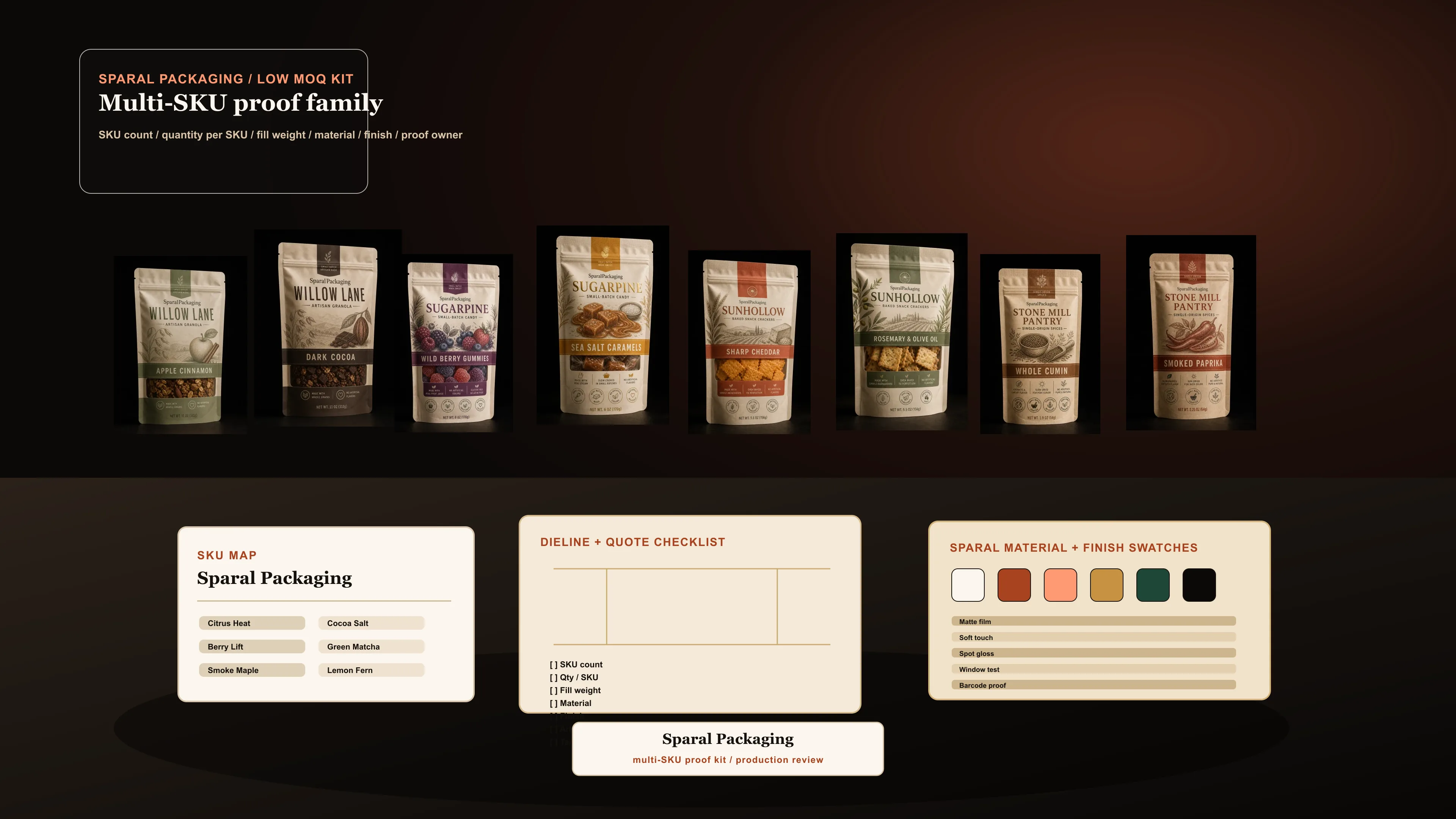
Low MOQ custom pouches visual quote map.

Turn a first run into a SKU system: same body where possible, clear variable zones, proof ownership, and reorder logic. The cards call out the visible zones, material logic, quote checks, and next-step links Sparal reviews before proof, so the visual is useful to buyers and readable to search agents.

Low MOQ custom pouches pouch family with production and quote zones by Sparal Packaging

01

Shared brand block

Same placement across every SKU so the family reads as one system.

02

Variant color and flavor band

Color changes should be obvious on shelf without forcing new materials or structures.

03

Barcode, QR, and date-code area

Scan and code zones need quiet space before the proof is approved.

04

Reorder and lot-control zone

Small launches become easier to repeat when the pouch has a stable place for lot/date marks.

Material decision visual

Barrier stack and failure mode

  1. L1Shared pouch body
  2. L2Finish and color system
  3. L3Variable SKU label band
  4. L4Barcode, lot, and proof path

Dry snacks, powder samples, or short shelf-life tests

Keep the structure simple unless the product has a real oxygen, oil, aroma, or moisture risk.

Many flavors with one shared fill weight

The quote is cleaner when the family uses one pouch body and variable art instead of many structures.

Quote readiness module

Send this. Avoid this.

Send

  • SKU count - SKU count, variant names, and which SKUs share the same pouch size
  • Quantity per SKU plus the total first-run target - Quantity per SKU plus the total first-run target
  • Fill weight or fill volume for the hero SKU and any outliers - Fill weight or fill volume for the hero SKU and any outliers
  • Preferred format - Preferred format, zipper/window/hang-hole needs, and finish direction
  • Artwork status - concept, dieline draft, production art, or print-ready files

Avoid

  • We need small custom bags for 8 flavors.
  • Can you quote multi-SKU packaging?

Low-MOQ proof and reorder zones

Review the visible production zones.

Shared brand block

Same placement across every SKU so the family reads as one system.

Variant color and flavor band

Color changes should be obvious on shelf without forcing new materials or structures.

Barcode, QR, and date-code area

Scan and code zones need quiet space before the proof is approved.

Reorder and lot-control zone

Small launches become easier to repeat when the pouch has a stable place for lot/date marks.

SKU family proof kit

Show the run as a family.

Build quote

SKU 01

Pilot SKU

The first product that proves the pouch body.

SKU 02

Variant band

Flavor, scent, or size changes without new structure.

SKU 03

Buyer sample

Small proof run for retail or DTC validation.

SKU 04

Reorder spec

Locked fields that make the second run faster.

Continue with Build quote

Low-MOQ details for pricing

Turn a small run into a priceable SKU system.

Low MOQ only helps when the brief separates product learning from production noise. Sparal reviews the SKU map, shared pouch structure, and proof owner before the quote so a test run can become a clean reorder plan.

Quote checklist

Fields to send before pricing

  • SKU count, variant names, and which SKUs share the same pouch size
  • Quantity per SKU plus the total first-run target
  • Fill weight or fill volume for the hero SKU and any outliers
  • Preferred format, zipper/window/hang-hole needs, and finish direction
  • Artwork status: concept, dieline draft, production art, or print-ready files
  • Launch purpose: buyer samples, DTC drop, retail test, seasonal run, or reorder bridge
  • Target proof date, launch date, and who signs off every SKU

Material decision table

How Sparal reads the quote signal

Buyer inputQuote directionSparal review
Dry snacks, powder samples, or short shelf-life testsStandard full-print PET/PE or similar digital laminateKeep the structure simple unless the product has a real oxygen, oil, aroma, or moisture risk.
Many flavors with one shared fill weightOne shared dieline with variant color bands and controlled SKU panelsThe quote is cleaner when the family uses one pouch body and variable art instead of many structures.
Retail buyer samples or shelf testMatte or soft-touch finish with barcode and net-weight zones locked earlyPremium finish matters, but scan zones and retail copy should not be discovered during proofing.
Unproven product-market fitQuote the first run as a learning batch with reorder notesThe best low-MOQ brief tells us what the brand wants to learn before committing to scale.

Low-MOQ proof and reorder zones

Label zones to protect

Shared brand block

Same placement across every SKU so the family reads as one system.

Send the master layout plus the variable areas for flavor, size, or channel.

Variant color and flavor band

Color changes should be obvious on shelf without forcing new materials or structures.

List the exact variant names and any required color references.

Barcode, QR, and date-code area

Scan and code zones need quiet space before the proof is approved.

Send UPC/QR files or mark them as pending placeholders.

Reorder and lot-control zone

Small launches become easier to repeat when the pouch has a stable place for lot/date marks.

Tell us whether the first run uses stickers, inline coding, or fixed print.

What Sparal reviews before quote

Decision checks before proof

SKU family logic

Which variants can share size, material, finish, and dieline without hurting shelf clarity.

Artwork readiness

Bleed, barcode space, finish notes, copy ownership, and whether every variant has a proof owner.

Material risk

Whether the product needs moisture, oxygen, grease, aroma, puncture, or freezer assumptions before pricing.

Launch math

Per-SKU exposure, total run size, reorder trigger, and whether the first run is a test or a bridge to scale.

Bad brief vs good brief examples

What changes the quote quality

Bad briefGood briefWhy it works
We need small custom bags for 8 flavors.We need 8 snack SKUs, 250 g fill, one stand-up pouch size, matte finish, zipper, 100+ per SKU target, artwork in dieline draft, buyer samples due in August.The strong brief gives SKU count, fill, format, finish, quantity logic, artwork status, and launch date.
Can you quote multi-SKU packaging?Quote one shared pouch structure for 3 hero SKUs and 5 test SKUs; same barcode zone, variable color band, and one proof owner for all variants.The strong brief tells Sparal where the system can stay shared and where it must vary.

Made in-house

Production record · first-party

The line that prints your pouch.

These are our own presses, films, and converting line — the equipment behind every quote.

No.01Digital press
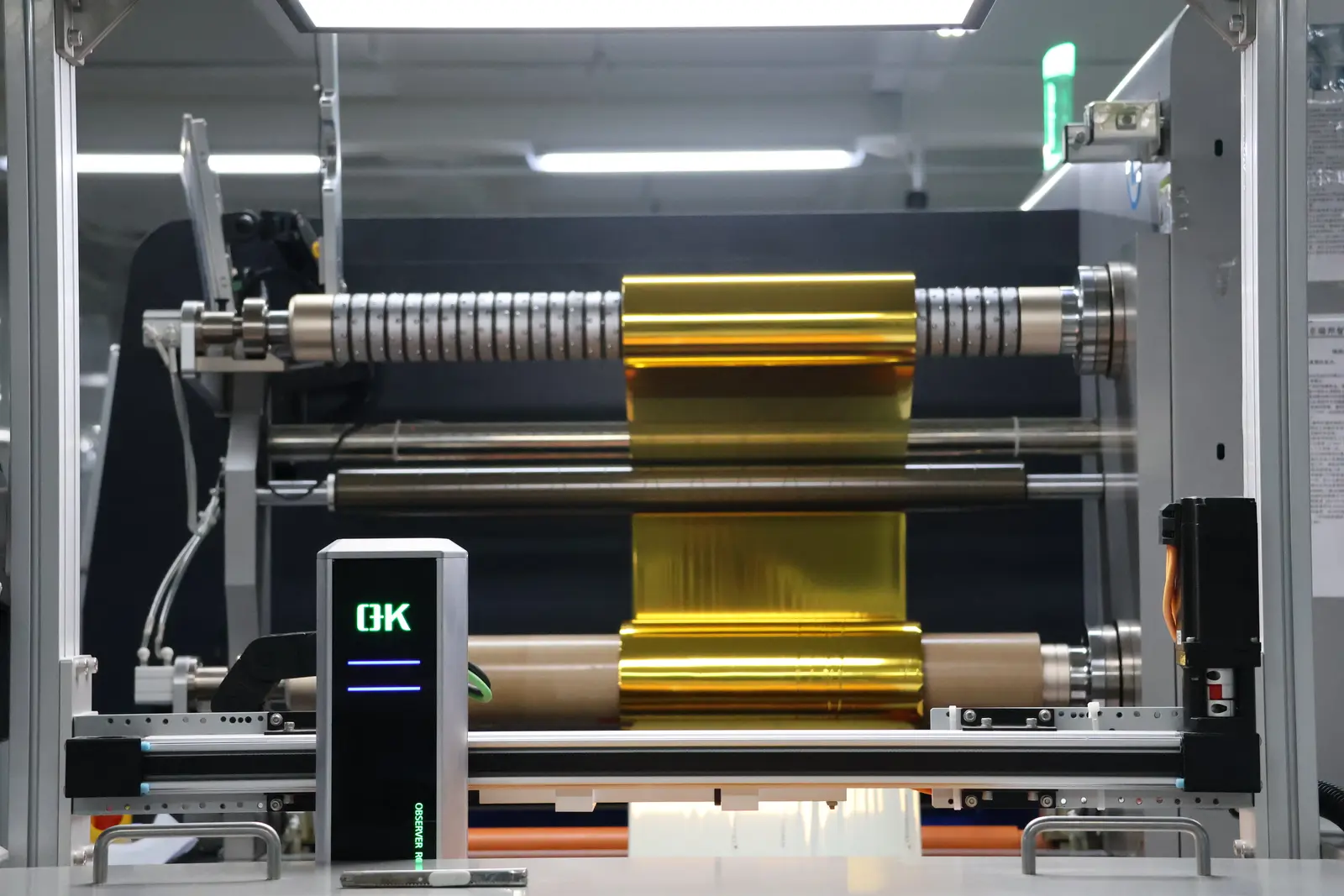
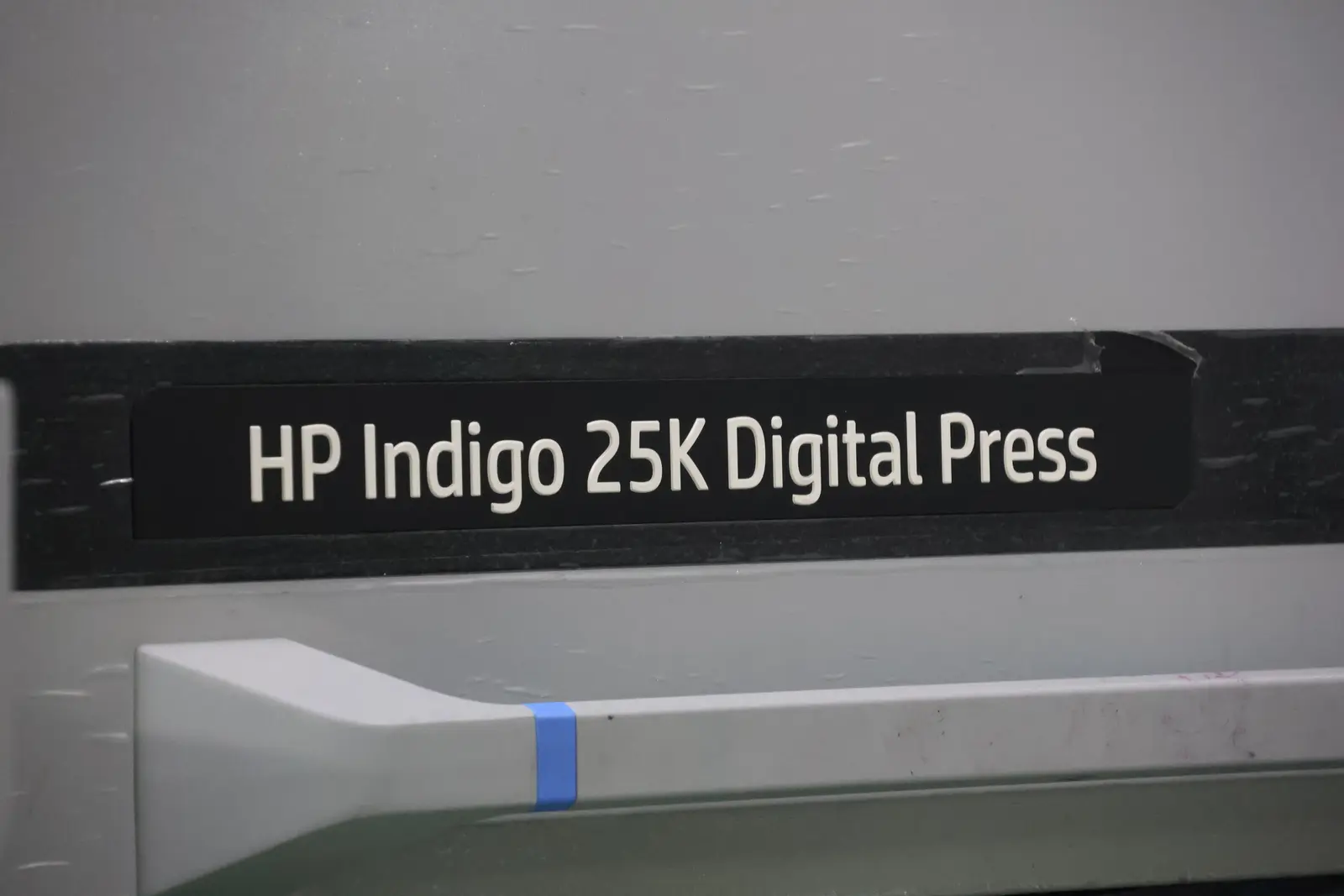
HP Indigo 25K digital press for flexible packaging at Sparal Packaging

An HP Indigo 25K digital press built for flexible packaging — multi-SKU artwork and seasonal drops print plate-free.

No plates · no per-design plate fees

Shot on our line · © Sparal Packaging

No.02Converting
Custom-printed flexible film on Sparal Packaging's converting line

Inside production: printing, lamination, slitting, and pouch converting for custom flexible packaging.

Shot on our line · © Sparal Packaging

No.03Converting
Metallized foil film stock on Sparal Packaging's converting line

Foil and metallized film stock staged on the converting line for high-barrier pouches.

Shot on our line · © Sparal Packaging

Order details

Choose what goes into production.

01

Start with the buying decision, not the pouch name.

Behind most low MOQ custom pouches searches is a sharper question: how do brands testing flavors, scents, sizes, markets, or retail buyer samples get to shelf, buyer samples, or a DTC launch without overcommitting inventory? Settle that first and the pricing conversation gets short.

02

Make the low minimum actually work.

A low minimum only pays off when the rest of the plan keeps up — proofing, material, SKU count, finish, reorder timing. Pin those down and your quote comes back faster and more accurate.

03

Where to go from here.

Not sure what comes next? The product examples, templates, and tools below will get you from rough idea to priceable spec.

What to send

What to send for a faster quote.

These fields help us recommend the right pouch, confirm production options, and price your project with fewer back-and-forth emails.

Audience

brands testing flavors, scents, sizes, markets, or retail buyer samples

Best formats

lean first-run pouch structures selected around product risk

Material logic

digitally printed films that keep small runs retail-ready

Launch fit

multi-SKU CPG launches that need learning before scale

What to send for pricing

SKU count, quantity per SKU, fill weight, format, finish, artwork status, target date

Sparal angle

100+ pouch minimums per SKU without plate fees or warehouse-scale first orders

Production details

Materials, proofing, and production.

See the options that affect shelf life, print quality, cost, proof timing, and how fast the order can move.

Material choices

Barrier and structure logic

Product behavior

100+ pouch minimums per SKU without plate fees or warehouse-scale first orders

Material choice should start with what can fail in storage, shipping, first opening, or repeat use.

Primary film direction

digitally printed films that keep small runs retail-ready

The first quote should name the assumed film direction so suppliers are not guessing from artwork alone.

Structure and finish

Select stand-up, flat-bottom, spout, window, or high-barrier structure by product risk and shelf posture.

Format is a buying decision, not a decoration layer.

SKU system

Keep dimensions and shared artwork rules stable across variants when possible.

Low-MOQ launches perform better when every SKU does not become a separate production problem.

Proof requirement

Review dieline, barcode, finish, material notes, and every SKU variant before production approval.

Useful planning guides should teach the buyer how production mistakes are prevented.

Production checkpoints

What gets reviewed before scale

Brief

Capture multi-SKU CPG launches that need learning before scale channel, SKU count, target quantity, product behavior, and the reason lean first-run pouch structures selected around product risk is being considered.

Dieline

Confirm panel layout, seal zones, gusset, zipper/spout/window placement, barcode area, bleed, and copy ownership before artwork is finalized.

Digital proof

Review color, copy, SKU names, claims, barcode, finish, material notes, and approval owner for every variant.

Production QC

Check print alignment, seal areas, closure behavior, case-pack scuffing, and whether the sample still works at real fill weight.

Reorder

After launch, compare sell-through by SKU against lead time and set reorder points before winners stock out.

Quote fields

Inputs that make pricing usable

SKU count and variants

Shows whether the buyer is ordering one hero SKU, a flavor family, retail samples, or seasonal versions.

Quantity per SKU

Prevents total-order minimums from hiding the real per-SKU inventory risk.

Fill weight or fill volume

Drives pouch size, gusset, headspace, case pack, and shipping assumptions.

Format and features

Names stand-up, flat-bottom, spout, window, zipper, valve, hang hole, or tear notch requirements.

Material and barrier goal

Connects the quote to oxygen, moisture, aroma, oils, freezer, liquid, or sustainability needs.

Artwork and dieline status

Shows whether the project is ready for proofing or still needs production art cleanup.

Target proof and launch date

Lets the supplier plan proof, production, QC, shipping, and reorder timing.

Why it works

Built for real product launches.

01

Built around the buying decision, not just the product name.

02

Every section ends in something you can price.

03

Shortcuts to the exact product and risk details you need next.

FAQ

Questions before you order.

01

What should I include in a low MOQ custom pouches quote?

Include SKU count, quantity per SKU, dimensions or fill weight, material needs, finish, artwork status, features, launch timing, and delivery target.

02

Can low-MOQ packaging still look premium?

Yes. Digital print can support full-print color, matte or gloss finishes, windows, zippers, valves, and spouts without traditional plate-fee setup.

03

When should I scale beyond the first run?

Scale after sell-through, buyer feedback, reorder timing, and SKU winners are clear enough to justify higher inventory.

Ready to build?

Test more designs. Pay for fewer guesses.

Send formats, quantities, artwork count, and target timeline. We will map the fastest low-risk path to proof, production, and the reorder that should come next.

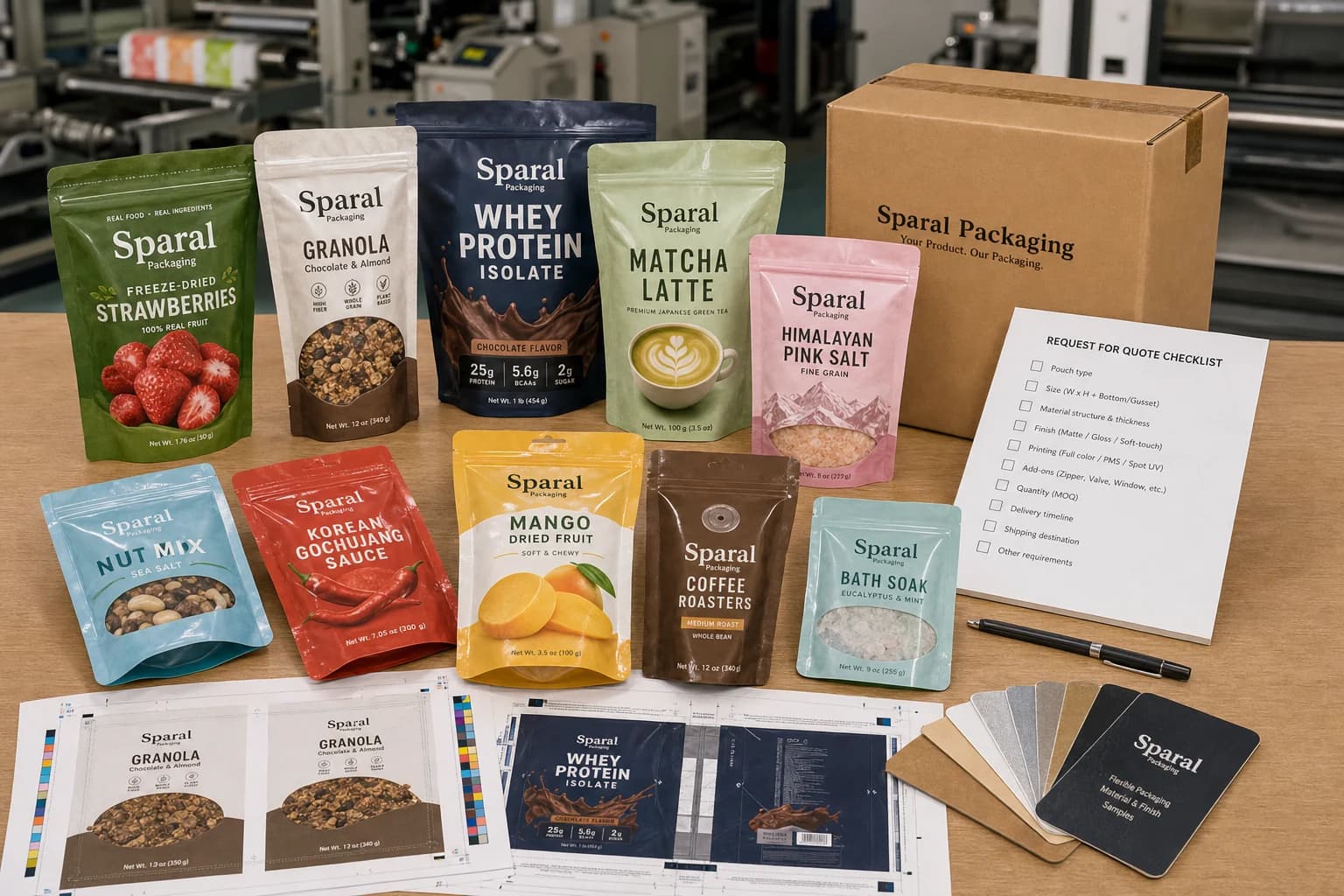
Sparal Packaging low MOQ quote kit with full-print flexible pouches, dieline proofs, RFQ checklist, and material swatches