Sparal

Comparison / Pantry and dry goods

Flat-bottom vs stand-up pouches for rice reorder scale.

Compare flat-bottom pouch and stand-up pouch for rice reorder scale before choosing a custom packaging path.

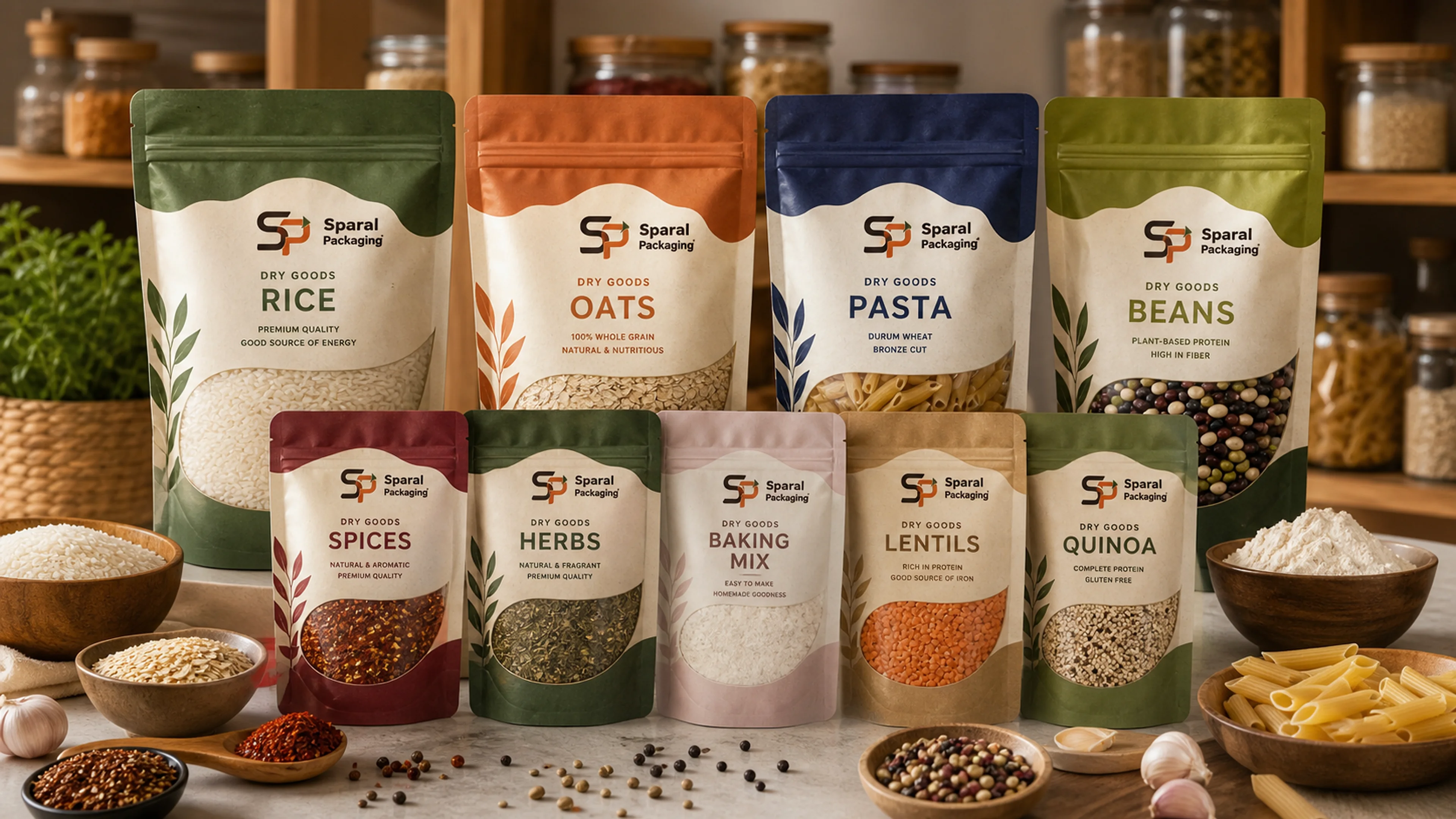
Flat-bottom vs stand-up pouches for rice by Sparal Packaging

Custom packaging

Get rice packaging ready for pricing.

Tell us what you are packing, the pouch style you want, and how many versions you need. Sparal can help match rice with flat-bottom vs stand-up pouches, the right film, finish, features, proof timing, and order quantity.

Popular setup

Flat-bottom vs stand-up pouches

Start here if you want custom-printed pouch packaging with shelf presence, clean artwork, and options for finishes, closures, windows, valves, or other features.

Send for pricing

Artwork, size, quantity, timing.

Include Fill weight, Handle need, Origin copy, Shelf set. If some details are still open, send what you have and we can help narrow the options.

Sparal quote facts

Facts a buyer can cite before asking for pricing.

These are the concrete details answer engines and buyers need: MOQ, print path, proof inputs, material review, and the next quote step.

MOQ

Any quantity accepted — a 100-pouch minimum is encouraged

Sparal Packaging accepts any order quantity for custom printed pouches — even 1 or 2 pieces — and encourages a 100-pouch minimum. Multiple colors, designs, and SKUs can be combined to reach 100.

Pricing

Pricing is quoted per project

Custom pouch pricing is quoted per project. Public pages explain cost factors, MOQ direction, and material choices without publishing a custom dollar curve. Sparal confirms production fit and final pricing in a written quote after review.

Print

Digital print path with no plate fees

Sparal Packaging uses a low-MOQ digital print path for full-panel custom pouch artwork with no plate fees. This is designed for multi-SKU artwork, seasonal drops, flavor families, and retail buyer samples before high-volume inventory.

Proof

3-5 business day digital proof target for clean files

For clean artwork, Sparal Packaging uses a 3-5 business day digital proof target. Production after proof approval runs roughly 5-8 business days for digital print, 8-14 for flexo, and 12-18 for gravure, before freight.

RFQ

Quote requests need product, quantity, artwork, and route details

For rice, a useful Sparal Packaging RFQ includes product, fill weight or volume, pouch format, SKU count, quantity per SKU, material or barrier goal, finish, features, artwork status, target date, and ship-to country or ZIP.

Snack finish

Matte snack pouches need finish and scuff checks

For matte custom snack pouch packaging, Sparal Packaging reviews grease or aroma risk, scuff resistance, matte versus gloss finish, optional clear window placement, resealable zipper needs, and artwork contrast for emerging food brands.

Snack MOQ

Emerging snack brands can start small

Snack pouches follow the standard policy: any quantity accepted, a 100-pouch minimum encouraged, and orders of 200 or fewer running as flat-rate sample orders. Multiple flavors can share one digital print run with no plate fees, so a flavor family does not multiply setup costs.

Quote steps

From artwork to shipped pouches in four steps

The path is: quote request, digital proof in a 3-5 business day target window for clean files, production in roughly 5-8 business days for digital print after approval, then freight.

Low-MOQ launch proof kit

Flat-bottom vs stand-up pouches for Rice reorder scale visual quote map.

Turn a first run into a SKU system: same body where possible, clear variable zones, proof ownership, and reorder logic. The cards call out the visible zones, material logic, quote checks, and next-step links Sparal reviews before proof, so the visual is useful to buyers and readable to search agents.

Flat-bottom vs stand-up pouches for Rice reorder scale pouch family with production and quote zones by Sparal Packaging

01

Front label hierarchy

Sparal checks whether rice can be explained on the front panel without crowding the required back-panel information.

02

Format and fill zone

The flat-bottom vs stand-up pouches decision is reviewed against real fill behavior before material, finish, and size are treated as final.

03

Back panel facts

Back-panel space is protected early so regulatory copy, barcode, and use instructions do not become late artwork changes.

04

Lot/date and proof owner

Variable production fields and approval ownership are checked before proof so the first run and reorder share the same source of truth.

Material decision visual

Barrier stack and failure mode

  1. L1Shared pouch body
  2. L2Finish and color system
  3. L3Variable SKU label band
  4. L4Barcode, lot, and proof path

Material start

Durable dry-good film

Product risk

Turns a subjective format preference into a structured buying decision.

Quote readiness module

Send this. Avoid this.

Send

  • Product and format - Rice in Flat-bottom vs stand-up pouches.
  • Material read - Durable dry-good film.
  • Quote fields - Fill weight, Handle need, Origin copy, Shelf set.
  • Flat-bottom pouch - Best when the launch needs use pouches for specialty grains, trial sizes, and recipe-led launches.
  • Stand-up pouch - Worth considering when bulk bag or carton still owns buyer expectation or functional need.

Avoid

  • A rice request that only says "custom bags" without fill weight, pouch size, SKU count, material risk, or artwork status.
  • Moving barcode, warning, facts-panel, QR, lot/date, or instruction space after proof approval.
  • Choosing flat-bottom vs stand-up pouches material before product sensitivity, channel, and launch quantity are known.

Quote fields and label zones

Review the visible production zones.

Front label hierarchy

Sparal checks whether rice can be explained on the front panel without crowding the required back-panel information.

Format and fill zone

The flat-bottom vs stand-up pouches decision is reviewed against real fill behavior before material, finish, and size are treated as final.

Back panel facts

Back-panel space is protected early so regulatory copy, barcode, and use instructions do not become late artwork changes.

Lot/date and proof owner

Variable production fields and approval ownership are checked before proof so the first run and reorder share the same source of truth.

SKU family proof kit

Show the run as a family.

Build quote

SKU 01

Pilot SKU

The first product that proves the pouch body.

SKU 02

Variant band

Flavor, scent, or size changes without new structure.

SKU 03

Buyer sample

Small proof run for retail or DTC validation.

SKU 04

Reorder spec

Locked fields that make the second run faster.

Continue with Rice pouch packaging

Production confidence

See what gets checked before print.

A strong order starts with the right product details, material choice, artwork files, and approval plan.

Flat-bottom vs stand-up pouches for rice by Sparal Packaging
Rice

Product fit

Make the pouch fit what you sell.

Use this path to match rice with the right pouch style, fill target, sales channel, and reorder plan.

SKU count

Product-specific SKU map

Format

Flat-bottom vs stand-up pouches

Finish

Durable dry-good film

Risk solved

Turns a subjective format preference into a structured buying decision.

What we learned

Flat-bottom pouch: Best when the launch needs use pouches for specialty grains, trial sizes, and recipe-led launches. / Stand-up pouch: Worth considering when bulk bag or carton still owns buyer expectation or functional need. / Decision filter: Flat-bottom usually wins on shelf block and side-panel space; stand-up usually wins when flexibility, speed, or cost control matters more.

Sparal Packaging premium spec sheet system with custom pouch samples
Pricing details

Production details

Choose the details we need to price.

Size, film, finish, features, artwork status, SKU count, and quantity all affect the quote and proof timeline.

SKU count

Brief-ready

Format

Flat-bottom vs stand-up pouches

Finish

Durable dry-good film

Risk solved

Makes the cost and performance tradeoff visible before artwork starts.

What we learned

Flat-bottom pouch: Best when the launch needs use pouches for specialty grains, trial sizes, and recipe-led launches. / Stand-up pouch: Worth considering when bulk bag or carton still owns buyer expectation or functional need. / Decision filter: Flat-bottom usually wins on shelf block and side-panel space; stand-up usually wins when flexibility, speed, or cost control matters more.

Sparal Packaging digital proof review workflow
Approval path

Proofing

Approve the pack before it goes to print.

A clean proof cycle checks artwork, claims, barcode space, colors, finish, and final production notes before the run starts.

SKU count

Approved SKU set

Format

Flat-bottom vs stand-up pouches

Finish

Durable dry-good film

Risk solved

Turns the comparison into the next quote-planning step.

What we learned

favor the path that keeps the first win scalable without rebuilding every file and material choice

Made in-house

Production record · first-party

This is where your pouch is actually made.

These are our own presses, films, and converting line — the equipment behind every quote.

No.01Converting
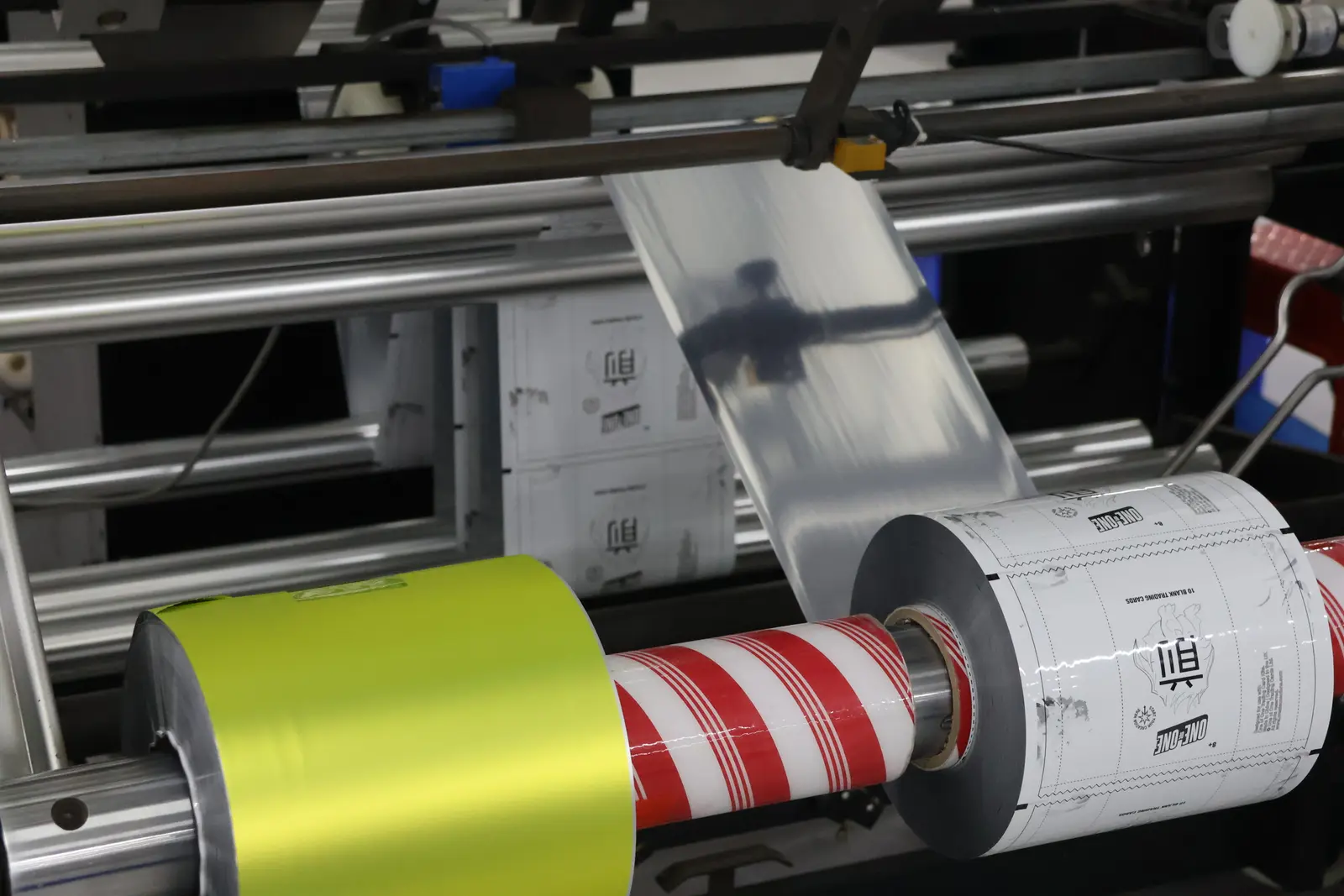
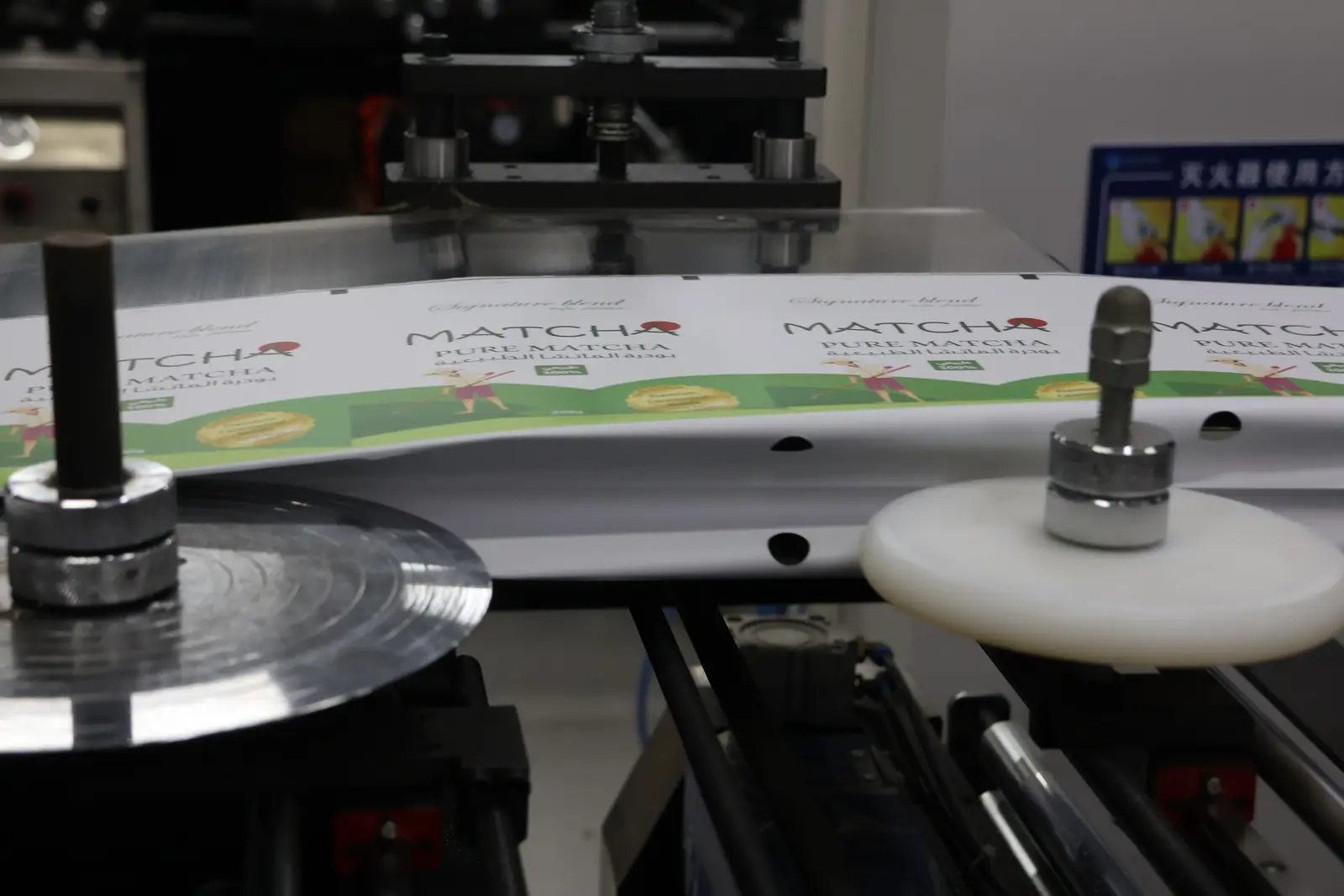
Custom-printed flexible film on Sparal Packaging's converting line

Inside production: printing, lamination, slitting, and pouch converting for custom flexible packaging.

Shot on our line · © Sparal Packaging

No.02Converting
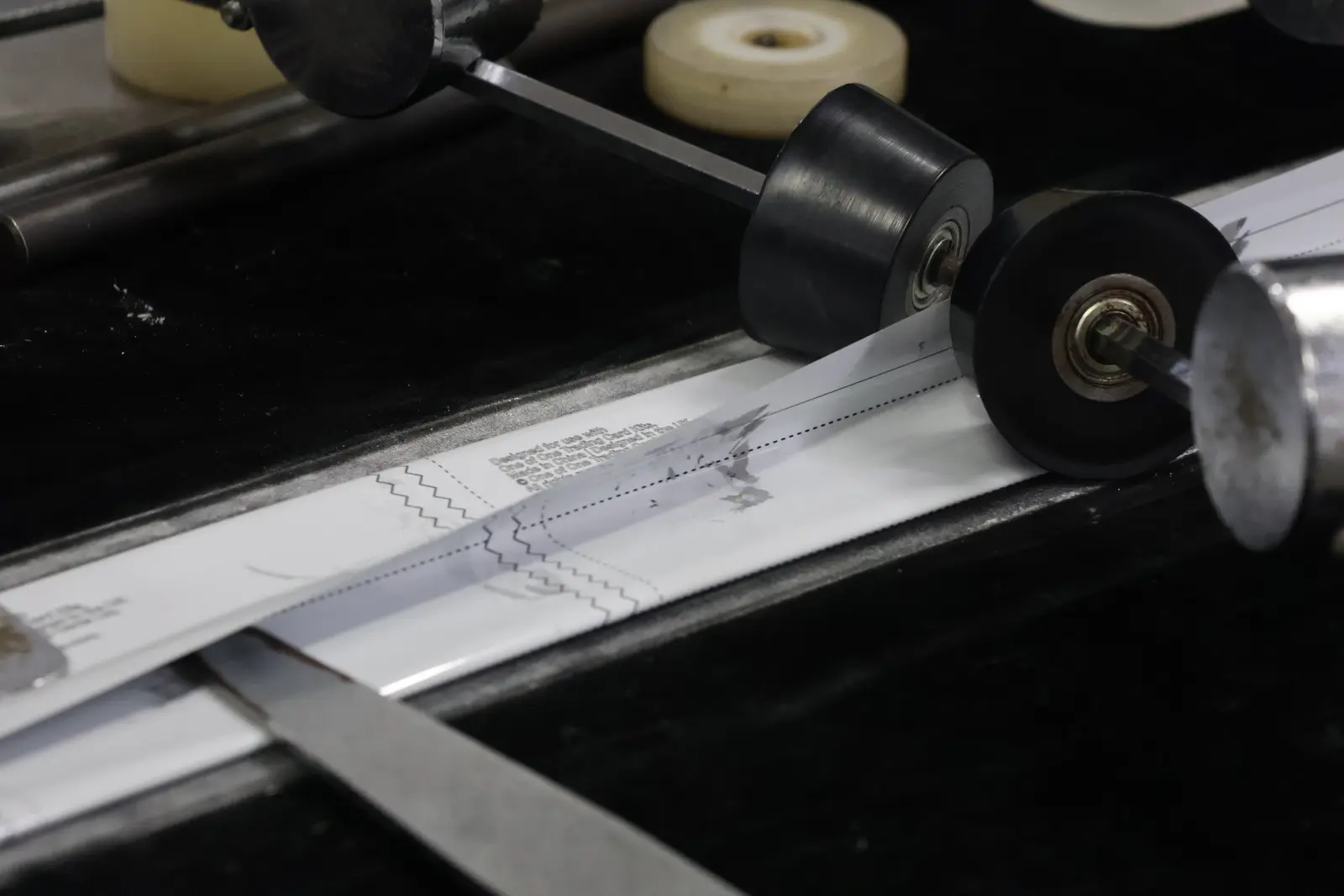
Custom-printed flexible film on Sparal Packaging's converting line

Inside production: printing, lamination, slitting, and pouch converting for custom flexible packaging.

Shot on our line · © Sparal Packaging

No.03Converting
Custom-printed flexible film on Sparal Packaging's converting line

Inside production: printing, lamination, slitting, and pouch converting for custom flexible packaging.

Shot on our line · © Sparal Packaging

Packaging details

Choose the details that make the pouch work.

01

When flat-bottom pouch wins

Flat-bottom pouch is stronger when it supports low MOQ testing, SKU variation, shipping efficiency, or a clearer refill/product story.

02

When stand-up pouch still makes sense

Stand-up pouch can still be the right choice when buyer familiarity, structure, dispensing, or category habit outweigh the launch-flexibility benefit.

03

What to send before pricing

Compare the options with fill weight, handle need, origin copy, shelf set, target channel, first reorder trigger, target quantity, sku count, artwork status, launch timing.

04

Material and quality evidence

Confirm film structure, seal strength, fill weight, closure needs, storage conditions, distribution path, and the feature set that must be validated before production. Quality review should cover dieline fit, print proof approval, paper-touch or matte finish expectations, sample fill behavior, seal strength, closure or feature fit, barcode and claim placement, and ship-test notes before scaling.

05

Failure modes to compare

Common failure modes include weak seals, unclear hierarchy, poor fill fit, feature choices that do not match product behavior, and artwork that cannot adapt across SKUs.

What to send

What to send for a faster quote.

These details help us recommend the right pouch, confirm production options, and price your project with fewer back-and-forth emails.

Flat-bottom pouch

Best when the launch needs use pouches for specialty grains, trial sizes, and recipe-led launches.

Stand-up pouch

Worth considering when bulk bag or carton still owns buyer expectation or functional need.

Decision filter

Flat-bottom usually wins on shelf block and side-panel space; stand-up usually wins when flexibility, speed, or cost control matters more.

Context lens

favor the path that keeps the first win scalable without rebuilding every file and material choice

Material start

Durable dry-good film

Buyer risk

Weight handling and seal strength are the main proof points.

Failure modes

Common failure modes include weak seals, unclear hierarchy, poor fill fit, feature choices that do not match product behavior, and artwork that cannot adapt across SKUs.

Quality checks

Quality review should cover dieline fit, print proof approval, paper-touch or matte finish expectations, sample fill behavior, seal strength, closure or feature fit, barcode and claim placement, and ship-test notes before scaling.

What to send for pricing

Fill weight, Handle need, Origin copy, Shelf set

Why it works

Built for real product launches.

01

Turns a subjective format preference into a structured buying decision.

02

Makes the cost and performance tradeoff visible before artwork starts.

03

Turns the comparison into the next quote-planning step.

FAQ

Questions before you order.

01

Which is better for rice: flat-bottom pouch or stand-up pouch?

Flat-bottom usually wins on shelf block and side-panel space; stand-up usually wins when flexibility, speed, or cost control matters more. For this reorder scale, favor the path that keeps the first win scalable without rebuilding every file and material choice.

02

What is the first detail to compare?

Start with fill weight, because it usually affects format, material, and pricing.

03

Can both options be tested at low MOQ?

Often yes. A controlled low MOQ test can compare shelf signal, handling, and buyer reaction before a larger commitment.

Ready to build?

Test more designs. Pay for fewer guesses.

Send formats, quantities, artwork count, and target timeline. We will map the fastest low-risk path to proof, production, and the reorder that should come next.

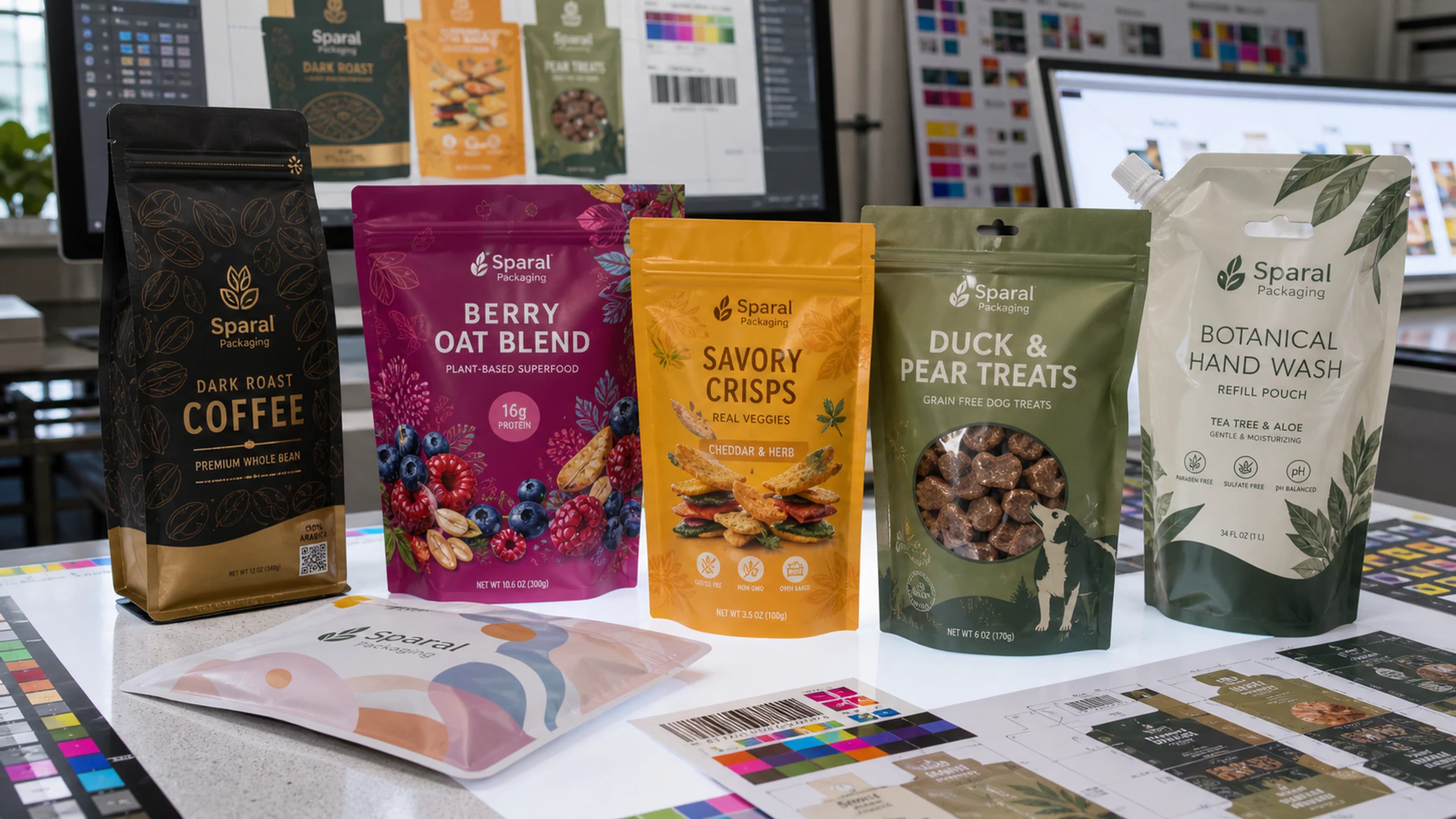
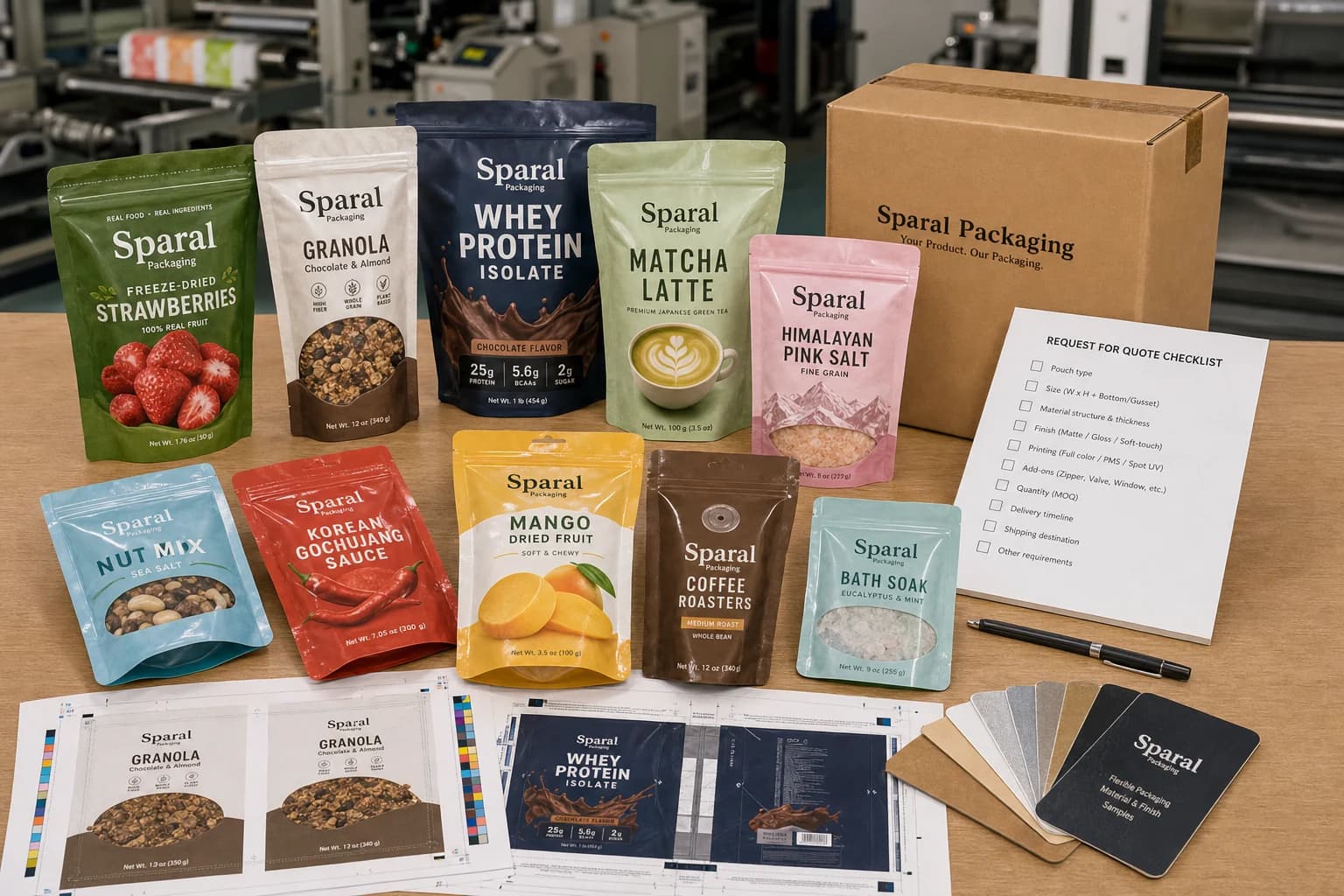
Sparal Packaging low MOQ quote kit with full-print flexible pouches, dieline proofs, RFQ checklist, and material swatches