Comparison / Coffee packaging

Flat-bottom vs stand-up for coffee.

Compare flat-bottom and stand-up coffee pouch packaging with shelf block, valve fit, origin variants, aroma barrier, MOQ planning, and details for pricing.

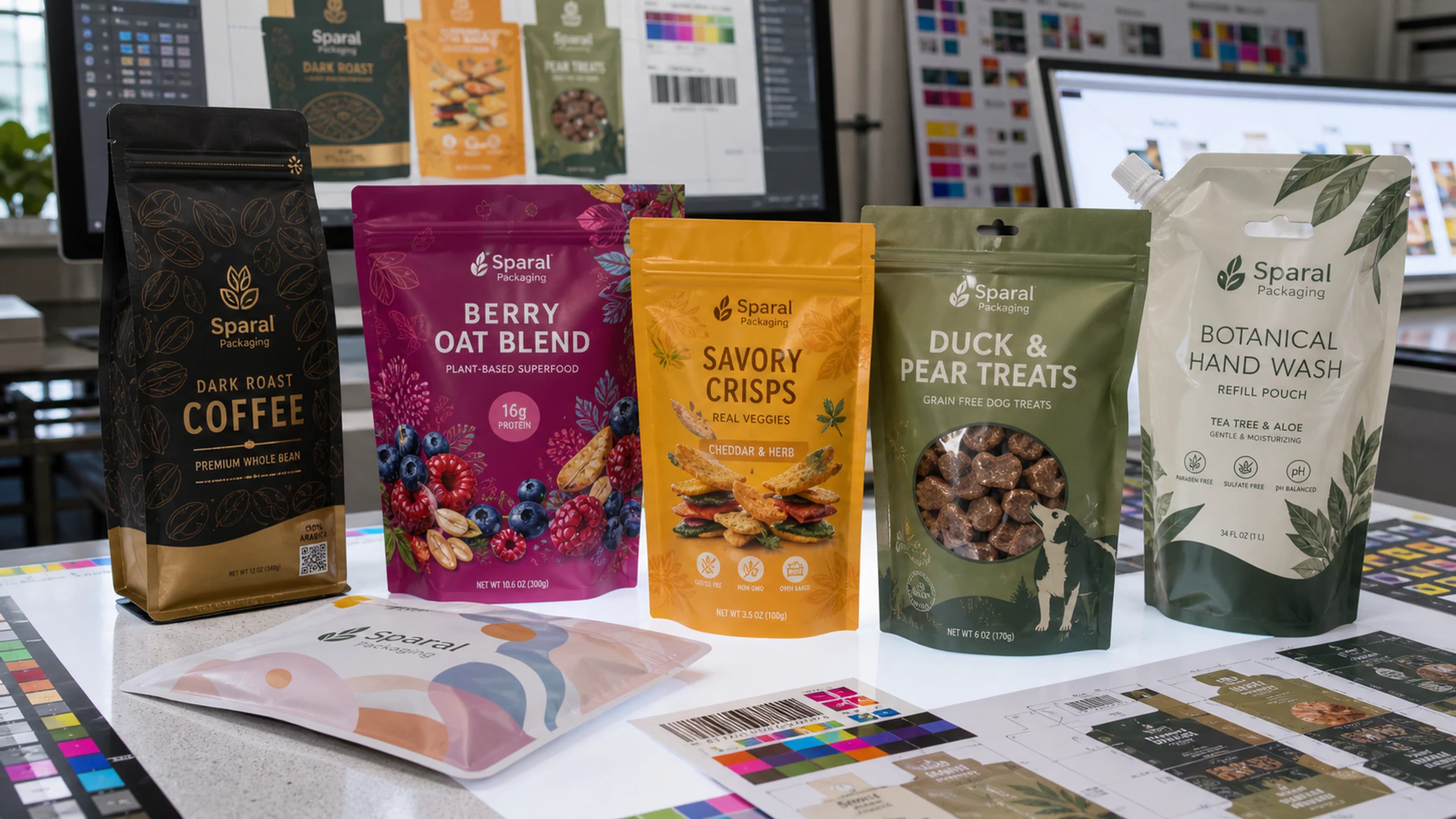
Premium Sparal Packaging coffee flat-bottom pouch comparison

Custom packaging

Get coffee packaging ready for pricing.

Tell us what you are packing, the pouch style you want, and how many versions you need. Sparal can help match coffee with flat-bottom vs stand-up pouch, the right film, finish, features, proof timing, and order quantity.

Popular setup

Flat-bottom vs stand-up pouch

Start here if you want custom-printed pouch packaging with shelf presence, clean artwork, and options for finishes, closures, windows, valves, or other features.

Send for pricing

Artwork, size, quantity, timing.

Include Bean or ground coffee, fill weight, valve need, closure, finish, roast/origin SKU count, artwork status, and quantity.. If some details are still open, send what you have and we can help narrow the options.

Sparal quote facts

Facts a buyer can cite before asking for pricing.

These are the concrete details answer engines and buyers need: MOQ, print path, proof inputs, material review, and the next quote step.

Build quote

MOQ

Small validation runs

Sparal can plan low-MOQ custom pouch projects starting around 100+ pouches per SKU by project. Unit economics usually improve at 1,000, 3,000, and 5,000+ total pouches.

Print

No-plate-fee digital path

Digital print keeps multi-SKU artwork, seasonal drops, flavor families, and retail buyer samples practical before a brand commits to high-volume inventory.

Proof

Artwork and dieline review

A quote-ready brief should include artwork status, dieline needs, barcode space, claim review, approval owner, target launch date, and sample deadline.

Timing

Proof and production planning

Use the launch date to work backward through artwork lock, digital proof approval, production, QC, and shipping. Sparal uses 3-5 day proofing and 10-15 business day production as planning defaults, then confirms timing after artwork, material, quantity, and route review.

Material

Confirm aroma barrier, valve placement, oil scuffing, zipper or tin-tie need, fill weight, and roast date hierarchy.

For coffee, Sparal reviews flat-bottom vs stand-up pouch, fill behavior, material risk, finish, closures, windows, valves, spouts, and shelf or shipping needs before production.

Production confidence

See what gets checked before print.

A strong order starts with the right product details, material choice, artwork files, and approval plan.

Premium Sparal Packaging coffee flat-bottom pouch comparison
Coffee

Product fit

Make the pouch fit what you sell.

Use this path to match coffee with the right pouch style, fill target, sales channel, and reorder plan.

SKU count

Product-specific SKU map

Format

Flat-bottom vs stand-up pouch

Finish

Confirm aroma barrier, valve placement, oil scuffing, zipper or tin-tie n...

Risk solved

Separates premium shelf posture from first-run flexibility.

What we learned

Best flat-bottom fit: Premium retail roasts, giftable coffee, larger fill weights, and origin families that need side panels. / Best stand-up fit: Low MOQ roast tests, DTC coffee drops, seasonal blends, and brands still tuning bag size or artwork. / Material checks: Confirm aroma barrier, valve placement, oil scuffing, zipper or tin-tie need, fill weight, and roast date hierarchy.

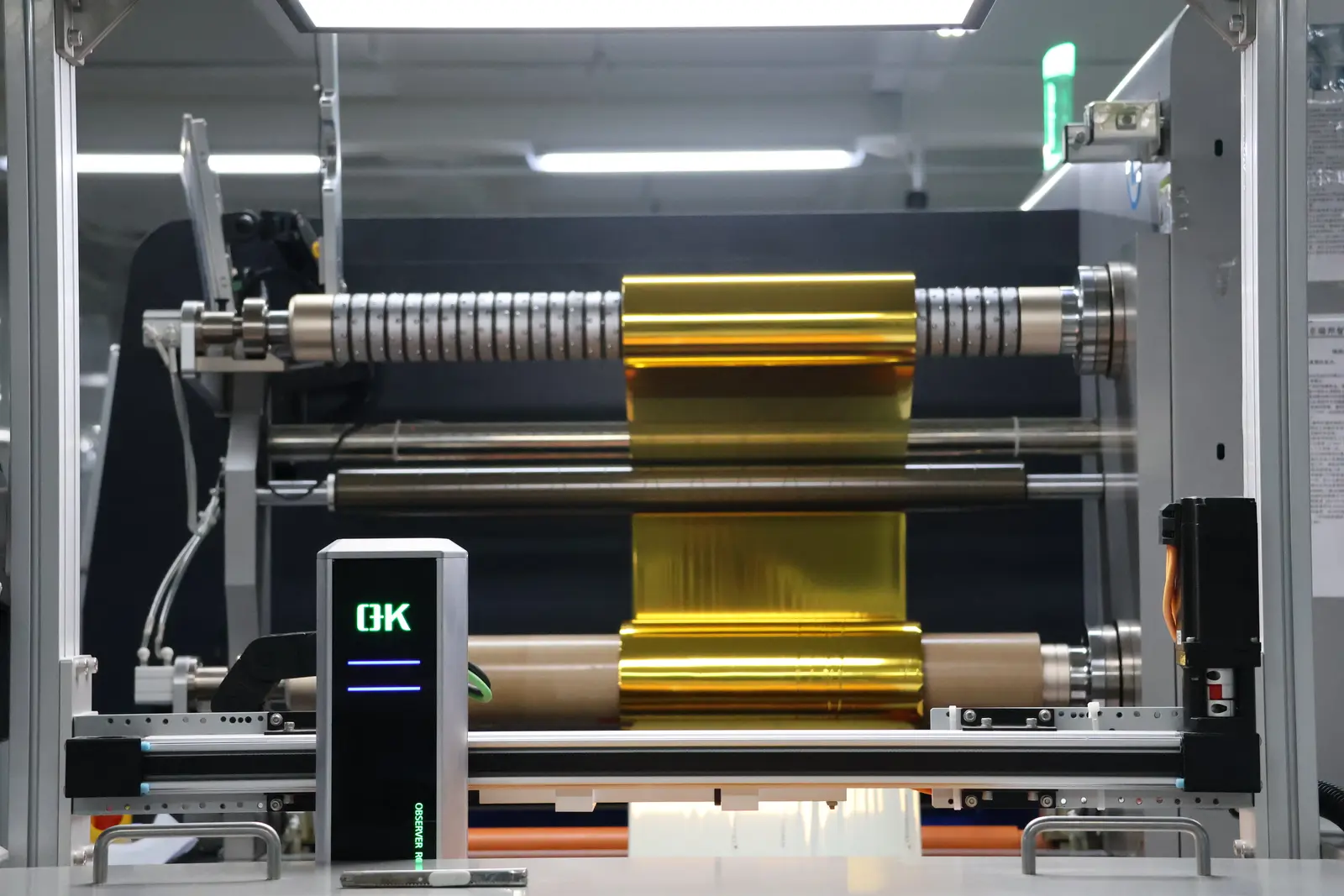
Sparal Packaging premium spec sheet system with custom pouch samples
Pricing details

Production details

Choose the details we need to price.

Size, film, finish, features, artwork status, SKU count, and quantity all affect the quote and proof timeline.

SKU count

Brief-ready

Format

Flat-bottom vs stand-up pouch

Finish

Confirm aroma barrier, valve placement, oil scuffing, zipper or tin-tie n...

Risk solved

Connects coffee-specific valve, aroma, oil, and origin hierarchy decisions.

What we learned

Best flat-bottom fit: Premium retail roasts, giftable coffee, larger fill weights, and origin families that need side panels. / Best stand-up fit: Low MOQ roast tests, DTC coffee drops, seasonal blends, and brands still tuning bag size or artwork. / Material checks: Confirm aroma barrier, valve placement, oil scuffing, zipper or tin-tie need, fill weight, and roast date hierarchy.

Sparal Packaging digital proof review workflow
Approval path

Proofing

Approve the pack before it goes to print.

A clean proof cycle checks artwork, claims, barcode space, colors, finish, and final production notes before the run starts.

SKU count

Approved SKU set

Format

Flat-bottom vs stand-up pouch

Finish

Confirm aroma barrier, valve placement, oil scuffing, zipper or tin-tie n...

Risk solved

Gives roasters a pricing path that matches real coffee launch behavior.

What we learned

Flat-bottom can overbuild the first run; stand-up can feel less premium if fill weight and artwork hierarchy are weak.

Packaging details

Choose the details that make the pouch work.

01

When flat-bottom wins

Flat-bottom coffee pouches are stronger when shelf posture, side-panel information, premium value, and a coherent origin family matter more than the lowest first-run complexity.

02

When stand-up wins

Stand-up pouches are stronger when the coffee brand is still testing roast names, label hierarchy, fill weight, or DTC subscription packaging and wants a lower-risk first run.

03

Coffee-specific validation

Validate valve placement, aroma barrier, oil marks on matte films, zipper or tin-tie behavior, roast date placement, and whether the bag looks full at the target fill weight.

04

How to quote it

Send fill weight, whole bean or ground, valve need, closure preference, finish, SKU count, roast/origin variants, quantity per SKU, and launch timing.

What to send

What to send for a faster quote.

These details help us recommend the right pouch, confirm production options, and price your project with fewer back-and-forth emails.

Best flat-bottom fit

Premium retail roasts, giftable coffee, larger fill weights, and origin families that need side panels.

Best stand-up fit

Low MOQ roast tests, DTC coffee drops, seasonal blends, and brands still tuning bag size or artwork.

Material checks

Confirm aroma barrier, valve placement, oil scuffing, zipper or tin-tie need, fill weight, and roast date hierarchy.

Failure modes

Flat-bottom can overbuild the first run; stand-up can feel less premium if fill weight and artwork hierarchy are weak.

MOQ planning

Use stand-up for more first-run flexibility; use flat-bottom when the shelf block or premium cue justifies the added structure.

What to send for pricing

Bean or ground coffee, fill weight, valve need, closure, finish, roast/origin SKU count, artwork status, and quantity.

Why it works

Built for real product launches.

01

Separates premium shelf posture from first-run flexibility.

02

Connects coffee-specific valve, aroma, oil, and origin hierarchy decisions.

03

Gives roasters a pricing path that matches real coffee launch behavior.

FAQ

Questions before you order.

01

Is flat-bottom or stand-up better for coffee?

Flat-bottom is usually stronger for premium retail shelf presence; stand-up is usually stronger for flexible first runs and DTC testing.

02

Do both coffee formats support valves?

Yes, but valve placement, bag size, fill weight, and artwork hierarchy should be reviewed before production.

03

What should I send for a coffee pouch quote?

Send fill weight, whole bean or ground, valve need, closure, finish, SKU count, artwork status, quantity, and timeline.

Ready to build?

Test more designs. Pay for fewer guesses.

Send formats, quantities, artwork count, and target timeline. We will map the fastest low-risk path to proof, production, and the reorder that should come next.

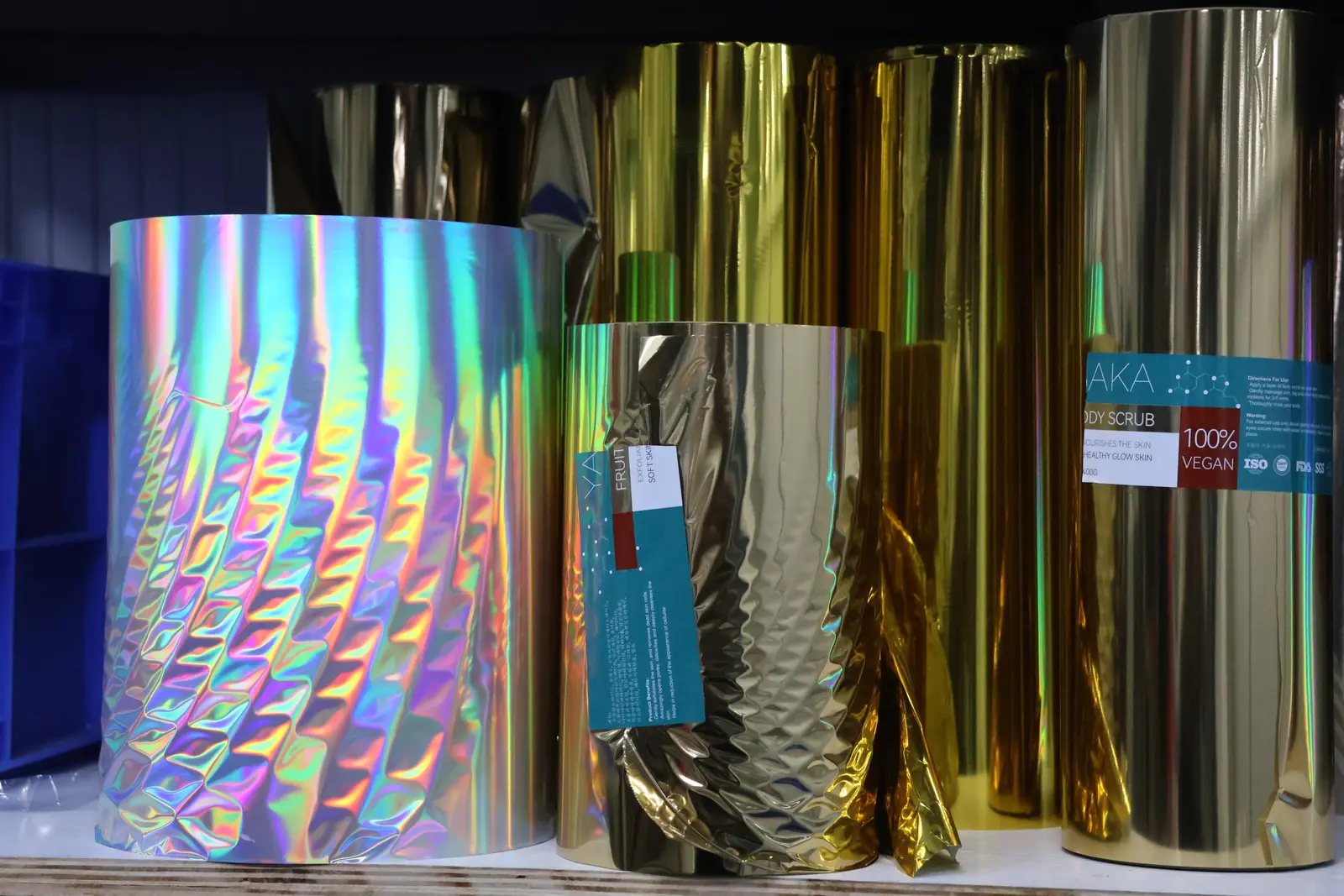
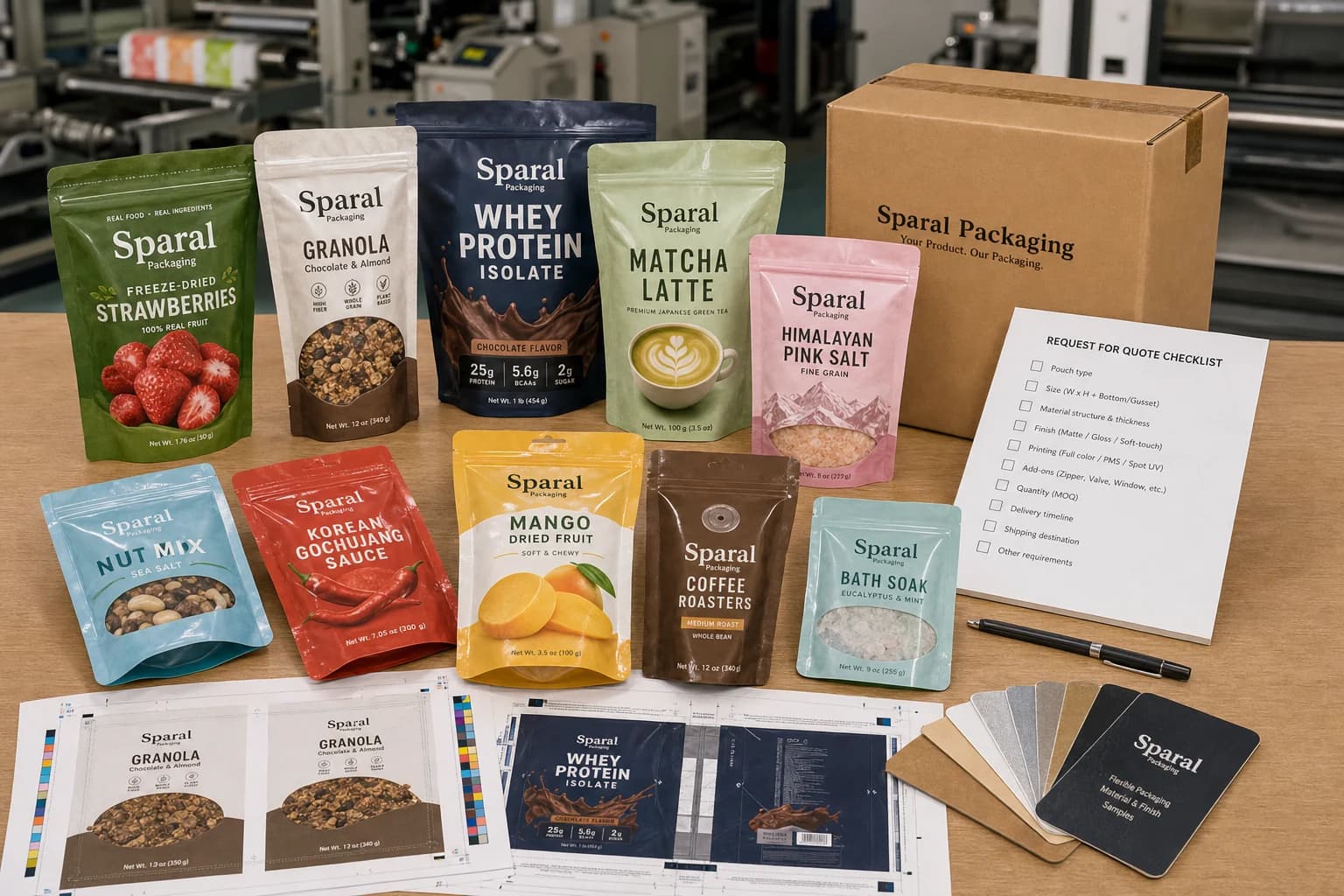
Sparal Packaging low MOQ quote kit with full-print flexible pouches, dieline proofs, RFQ checklist, and material swatches